Conditions Stable

Prepared responses that held under pressure

Each record documents changing client conditions, our observation method, the work performed and the stabilised outcome achieved. These are forecast-led IoT projects where early reading made the difference.

Residential connected device platform smart home IoT application
SC-2401 PF-HOME-07

Residential Connected Device Platform

A property technology company operating across the United Kingdom faced fragmented smart home integrations. Twelve different device manufacturers, inconsistent automation behaviour and no central visibility across their residential portfolio. Conditions were unstable and worsening as they onboarded new properties monthly.

Our observation revealed protocol conflicts between Zigbee and Wi-Fi ecosystems, firmware version mismatches causing automation failures and a backend architecture that could not absorb growing device volumes. We prepared a unified connected device platform with manufacturer-agnostic integration layers and a consumer-facing smart home application.

Changing Conditions

Fragmented integrations, failed automations, no visibility

Observation Method

Protocol mapping, compatibility matrix, load modelling

Stabilised Outcome

12,000 households, 99.7% uptime, unified control app
Industrial IoT sensor network device management software
SC-2398 PF-IND-12

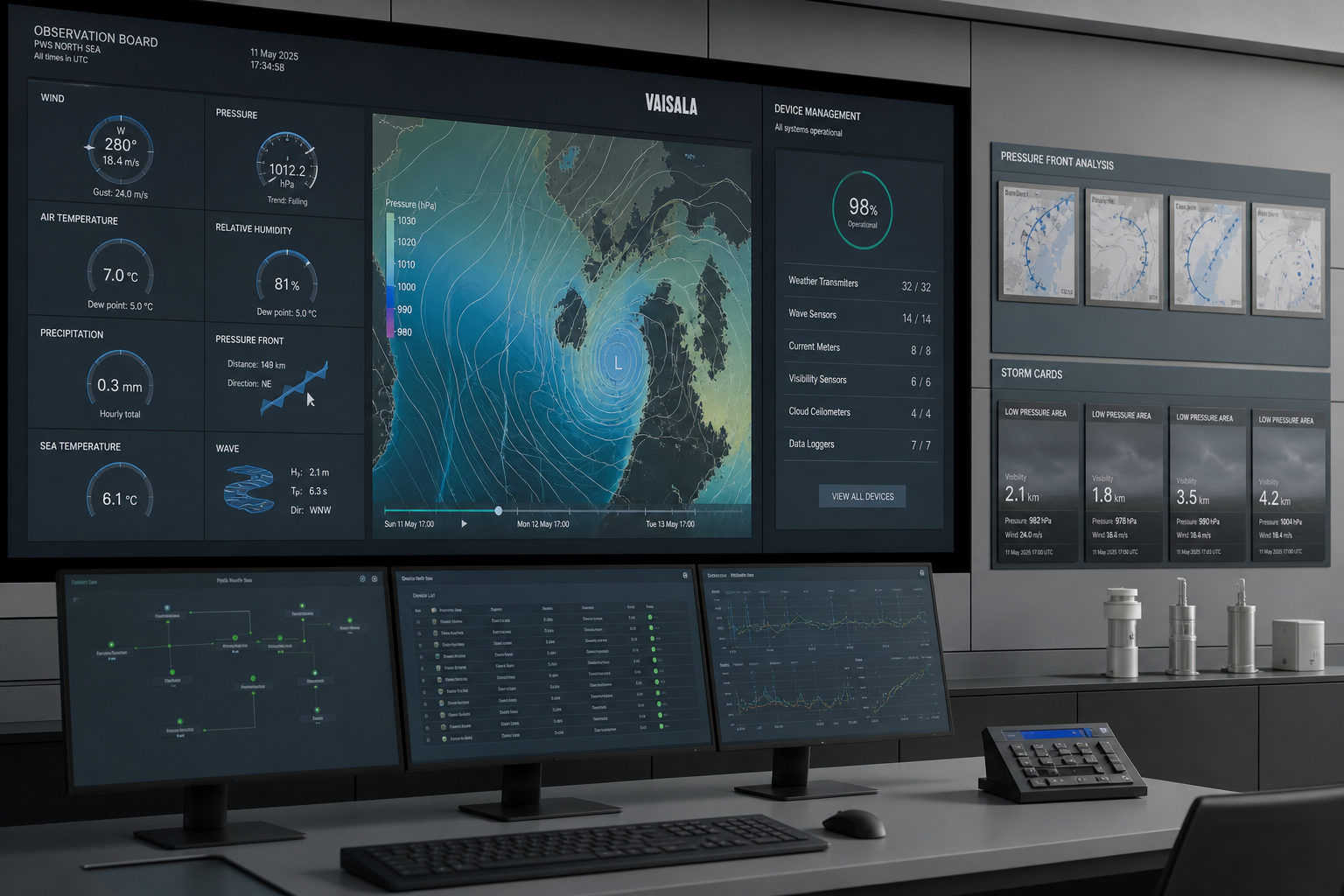
Industrial Sensor Network Management

A manufacturing client required real-time visibility across forty production lines fitted with heterogeneous sensor arrays. Legacy SCADA systems could not integrate modern IoT endpoints. Manual monitoring created delays in identifying equipment degradation, resulting in unplanned downtime costing approximately forty-seven thousand pounds monthly.

We observed existing infrastructure conditions, mapped integration pathways between legacy PLCs and modern MQTT-based sensors, and prepared an industrial IoT application with unified monitoring dashboards and predictive maintenance alert systems.

Changing Conditions

Legacy SCADA isolation, manual monitoring, rising downtime

Observation Method

Infrastructure audit, protocol bridge design, failure pattern analysis

Stabilised Outcome

67% downtime reduction, 2,400 sensors monitored in real-time

Healthcare IoT device gateway remote patient monitoring
SC-2395 PF-MED-03

Healthcare Device Gateway

A medical device distributor needed secure IoT software for remote patient monitoring across the United Kingdom. Regulatory requirements for data handling, device authentication and patient privacy created complex pressure conditions. Previous development attempts had stalled on compliance architecture.

Our observation phase mapped GDPR requirements, NHS data handling standards and device certification pathways. We prepared a compliant gateway architecture handling device provisioning, encrypted data transmission and clinician dashboard interfaces.

Changing Conditions

Regulatory complexity, stalled compliance, no secure gateway

Observation Method

Compliance mapping, security architecture, certification pathway

Stabilised Outcome

8,000 daily transmissions, full GDPR compliance, NHS aligned

Energy management IoT platform grid monitoring system
SC-2391 PF-ENG-09

Energy Grid-Edge Monitoring Platform

A utility provider required a smart device application for monitoring grid-edge assets including transformers, substations and distributed energy resources. Device volumes were projected to grow from twelve thousand to over two hundred thousand endpoints within three years. Existing infrastructure could not absorb this pressure.

We modelled growth conditions, designed a horizontally scalable connected device platform with tiered data processing and prepared IoT device management software capable of handling two million daily readings with sub-second alert propagation.

Changing Conditions

Projected 16x device growth, infrastructure limits, alert delays

Observation Method

Growth modelling, architecture stress testing, tiered processing design

Stabilised Outcome

2M daily readings, sub-second alerts, 200K device capacity

Retail IoT inventory tracking connected device application
SC-2387 PF-RTL-05

Retail Inventory Tracking System

A retail chain with eighty-seven locations needed real-time inventory visibility using RFID and Bluetooth beacon technology. Existing point-of-sale integration was disconnected from warehouse systems, creating visibility gaps that resulted in stockouts and overstock conditions across their network.

We observed data flow conditions between POS, warehouse management and floor-level tracking systems. Our prepared response unified these streams into a single IoT mobile solution providing store managers with real-time inventory conditions on handheld devices.

Changing Conditions

Disconnected systems, stockouts, no floor-level visibility

Observation Method

Data flow mapping, integration architecture, UX condition reading

Stabilised Outcome

87 locations connected, 34% stockout reduction, real-time mobile app

Ready to stabilise your connected device environment?

Submit a forecast request and our observation team will assess your conditions and prepare a tailored response proposal.